Many car hire-purchase lessees who face financial difficulties and can no longer keep up with installment payments decide to return the vehicle to the finance company, hoping to resolve the matter. But then comes an unexpected demand letter — or even a lawsuit — claiming the “deficiency” or “shortfall.” The natural reaction: if I already returned the car, why do I still owe more? This article explains a key legal principle that may relieve you of that liability.
What Is a “Deficiency” — and Why Does the Finance Company Claim It?
Under a standard hire-purchase agreement, if the lessee defaults on installment payments, the finance company typically has the right to terminate the contract and repossess the vehicle. If the repossessed car is sold at auction for less than the outstanding balance, the difference is called the “deficiency” or “shortfall.” Finance companies commonly rely on the original contract terms to hold the lessee — and any guarantor — liable for this amount.
The Key Issue: Returning the Car “Before” Contract Termination — and “Implied Mutual Rescission”
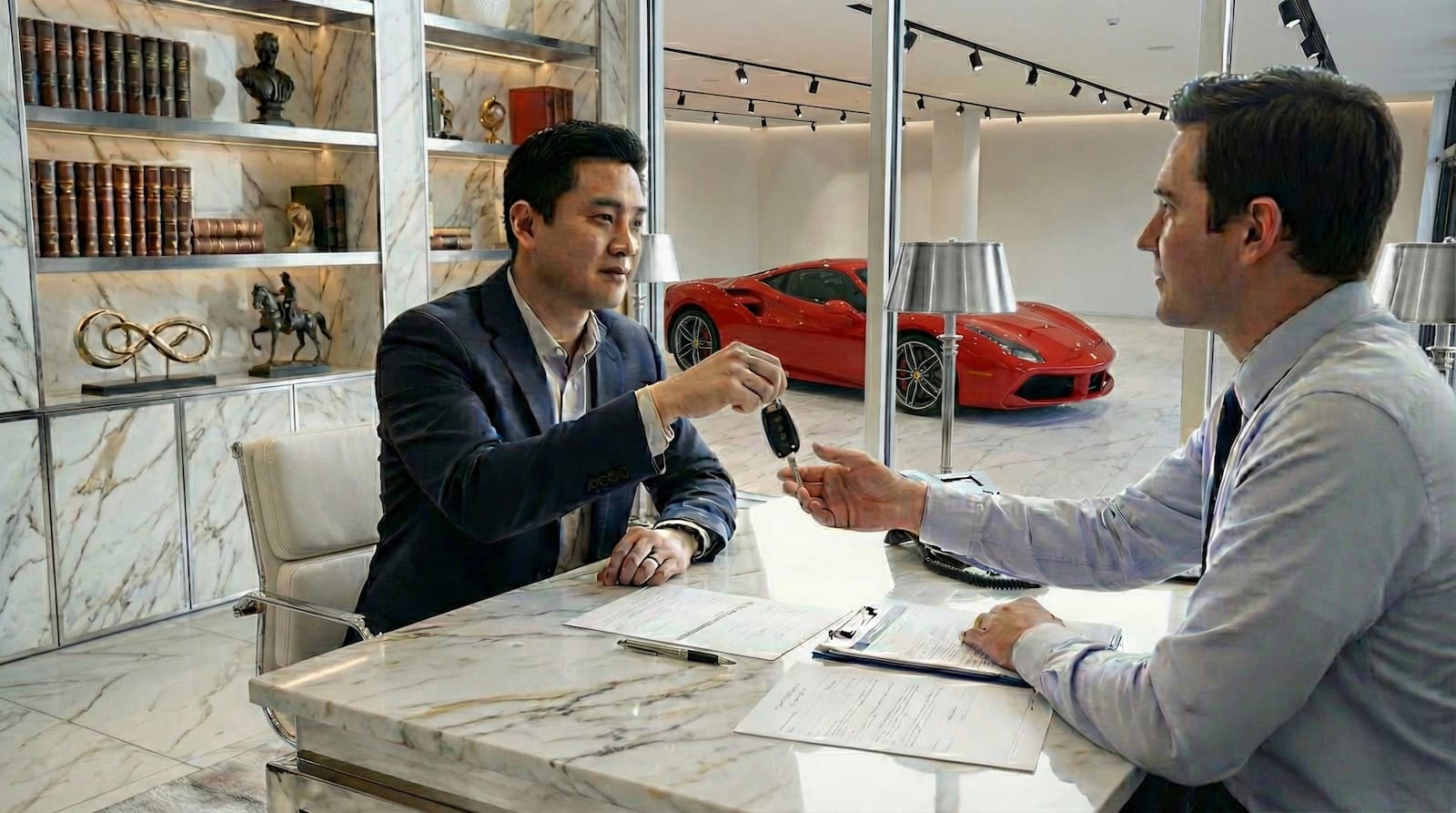
The critical factor is the sequence of events between the car’s return and the contract’s termination. If the finance company comes to collect the vehicle while the hire-purchase agreement has not yet been formally terminated (no written termination notice has been issued), and the lessee voluntarily surrenders the vehicle without objection, Supreme Court Decision No. 5055/2567 (2024) established that this constitutes an “implied mutual rescission” of the hire-purchase agreement.
Implied mutual rescission means that even without a written termination document, the conduct of both parties — one seeking to take back the vehicle, the other voluntarily handing it over — amounts to a mutual expression of intent to end the contract at that moment.
The Legal Consequence: Why the Finance Company Cannot Claim the Deficiency
Once the hire-purchase agreement is deemed mutually rescinded by implication, all rights and obligations under the original contract are extinguished. Neither party owes anything further under that agreement. Therefore, the finance company has no legal basis to use the original contract terms to sue for the deficiency — even if the contract explicitly states that the lessee remains liable for any shortfall after returning the vehicle. Once the contract has been rescinded, those terms no longer apply.
Important Caveats: When This Principle May Not Apply
The implied mutual rescission principle applies only when the specific conditions are met — the finance company accepts the car back before formal termination, and the lessee voluntarily surrenders it. The outcome may differ if:
- The lessee objected or resisted the repossession.
- The finance company properly terminated the contract through formal procedures (e.g., a written termination notice with the required notice period) before repossessing the vehicle.
In such cases, implied mutual rescission may not apply, and the finance company may retain the right to sue for damages or the deficiency under the law and contract terms. Each case must be assessed on its own facts.
Advice for Hire-Purchase Lessees
If you have already returned your car and are now facing a demand or lawsuit for the deficiency, review the sequence of events and all related documents carefully. If the circumstances suggest implied mutual rescission, consult a lawyer promptly to build your defense. If you are currently struggling with installment payments, before deciding to return the vehicle, understand the legal implications and consult a lawyer about your options to best protect your rights.
Summary
When a lessee voluntarily returns a vehicle to the finance company before the hire-purchase agreement is formally terminated, the Supreme Court treats this as implied mutual rescission of the contract — extinguishing the finance company’s right to sue for the deficiency. However, the specific facts of each case matter greatly, and consulting a legal professional is always the best course of action.
If you are facing a hire-purchase dispute or being sued for a deficiency, the expert legal team at OSP LEGAL is ready to advise and represent you. Contact us via Line: @osp-legal or call 02-578-8303 / 098-509-0956.